There has been quite a large gap since the last time I’ve posted on this account for various reasons. Relationship problems, motivation problems and job problems all coalesce to form The Block tm. that has made it so difficult to continue.
I don’t think there has ever been a moment where I haven’t been thinking about D&D or TTRPGs since I started playing 5e around 2020~ but along side this yearning for the perfect game, there’s also been dissatisfaction with games I’ve either run or participated in. You could liken it to the first time you take drugs and that euphoric feeling when you get a good game, so every session you play after that is “Chasing the Dragon”; kinda an ironic phrase given the game we are discussing.
There is a common adage by Malcolm Gladwell that 10,000 hours of deliberate practice is what’s required to become an expert or have world class expertise in a skill, and I’ve definitely not come anywhere near as close with D&D but there is an issue I’ve had of stewing over things I can do outside of playing to improve play experience. I think this form of “deliberate practice” has potentially done more to harm my experience of running games than it has to improve it. It’s a strange thing to feel that when you first started that you were more creative, narrative focused, and that most of your fond memories of playing come from the earliest iterations of your work.
A resentment within me has grown towards the game and it’s players that has overall soured my enjoyment of TTRPGs. I feel like I’ve lost sight of what makes the game fun and that maybe I’m holding onto this metaphorical Thorn Whip that’s flaying my hands the harder I grip – so to make things better I want to recount some of my favorite moments I’ve had historically within my D&D career.
Adventure 1: Isle of Melenat
Kings Field 2 for Playstation (1995)
So at the time of my D&D inception I was a huge fan of Fromsoftware and their Dark Souls series and had (and still do) an obsession with Dark Fantasy, the Japanese interpretation of European Fantasy (think stuff inspired from Wizardry/Lodoss War/early Final Fantasy), and anything that could cut me with it’s edge. Difficulty and Exploration were the primary pillars of the game and I wanted to evoke that in my first ever campaign.
I uplifted the Island of Melenat that Kings Field 2 (also produced by Fromsoft) takes place on as a cheeky reference to the players if they were familiar with the catalogue. It’s similar really only in name and the aspect that a black dragon god Guyra, who destroyed a black crystal, controls the powers of nature on the island.
I took this theme and made it such that Guyra was a type of Godzilla-like entity where he reeks a magical radiation that wilts the jungle life on the island and corrupts the inhabitants; his body trapped underneath a World Tree like a prison (think Illidan Stormrage from WoW). The water was also contaminated in such a way that it healed superficial wounds but was a highly addictive substance (the players who drank the water had to make CON saves each day to fend off cravings) and it made leaving the island highly dangerous as being without the cursed water you’d eventually go into insane and wither away.
The players were composed of new-found friends which turned into great friends I am still in touch with now. I believe the game originally started with just 3 players, and went up to 4 despite several invites of one-and-done-rs. They disembarked from a port town from the main continent and headed towards Melenat with rumors of mystery, treasure and a legendary Fountain of Youth.
It wasn’t long before their plans were cut short — an attack from a vicious Kraken tore apart their boat and left them shipwrecked. The disaster left them blacked-out and stranded on the beach of Melenat; swept ashore with nothing but their packs and the clothes on their backs.
I feel fortunate that I kept a lot of the notes and work ups I did for the game to immortalize it in memory. There are many D&D games I’ve participated in that I cannot recall the exact events of, specifically from the perspective of a player. It’s too often that a game only lasts 1-3 sessions, the investment is gone and any relics tossed into the garbage. So below I’ll post a few that I kept in my super special big DM binder!
There’s a lot more where these came from, but for now I just want to highlight some interesting things I noticed about my notes.
Digestible Reference Material
You could argue I got a little creative with the Stirge stat block but I think at the time I was just really enamored with all the strange creatures in the monster manual. At the bottom of that page I wrote: “membranous bat wings, eight jointed legs that end in sharp pincers.” It’s kinda amazing that nowadays I still use this form of note taking; departing from the text above it that reads like Read-Aloud text in the average module. It’s primarily inspired now from Old School Essentials module text but, at this time, I was completely unaware of the OSR or anything about old school D&D. It’s fascinating that I intuitively wrote a TLDR; version of the major text as a form of sticky note.
A Sense of Humor?
There are many little funny things that I think I wrote or included to entertain myself, a lot of those things being puns, jokes or weird in-references with the people I was running for.
Notable ones being: Roquefort, the town of the wererats, with characters named Brie, Pesto, Asiago, Manchego and Sosha. If you somehow can’t see the correlation here — THEY ARE RAT PEOPLE WITH CHEESE NAMES IN CHEESE TOWN.
I believe that when I was adding these things there was an intention of potentially entertaining someone in the group. In the way that D&D content can be dodged and lost from character eyes, same thing with these bits. If they notice it then they appreciate it. Coincidentally, Gary Gygax and Dave Arneson were known to add little easter eggs, jokes and references to their games like putting their initials in the shapes of dungeon walls. I think it’s good to take the piss out of your work as it really helps to remind you why you’re really playing D&D — to have fun and form happy memories with friends.
Opportunities for Learning
Oftentimes when I create content for D&D, I find that I’ll go down a rabbit hole of learning (what feels like) useless information that when culminated together can actually serve to flex understanding/investment in your adventure. I think I may not be the only one, but prior to this game I had no idea the locations of a ship and the names. You hear phrases like Poop Deck and Crow’s Nest all the time in media but up until this point the names seemed ridiculous until I actually looked at a ship. The Crow’s Nest is all the way up the mast like a bird’s nest in a tree! THE POOP DECK IS WHERE THE SHIP’S METAPHORICAL ASSHOLE IS! I don’t foresee ever getting on a traditional pirate ship in my lifetime (I fear the Deep) so to me this is useless knowledge BUT it became important within the scope of the game! There’s a sense of professionalism that comes from learning vocabulary to help convey game information so HIT THE BOOKS! You can find really cool words like proboscis– the formal name for the silly straw on a mosquito or stirges face!
I’ll try to post more often soon. Getting out of the rut of procrastination and overt perfectionism is the challenge of every artist so hopefully I will prevail and make more posts!
“What makes Dungeons and Dragons unique is that it’s a role playing game.”
When playing Dungeons and Dragons what do you find that motivates you to continue play? What events that occur through the sessions do you find the most interesting to pursue or experience? You may find that your choice may determine your own personal incentive of play.
The Achievers, Explorers, Socializers and Killers.
If you’re curious where you land on this taxonomy, feel free to take the test here.
HERE ARE MY RESULTS:
You could argue that this test may not be completely suitable to TTRPGs and similar games as it’s contextual within MMOs and MUDs, but I do think the Game part of TableTopRolePlayingGame is sufficient enough a reason to make a comparison as TTRPGs inspired both video game genres to some extent (see Wizardry, Rogue and Zork).
The GAME DESIGN of OD&D
In order to determine the intention of play when concerning TTRPGs we must start from the beginning with Original D&D from 1974.
“As characters meet monsters in mortal combat and defeat them, and when they obtain various forms of treasure (money, gems, jewelry, magical items, etc.), they gain “experience”. This adds to their experience point total, gradually moving them upwards through the levels.” -pg. 18 OD&D Men and Magic
It’s clear from this statement that the primary methods of character advancement/progression come from-
A. Killing Monsters B. Collecting Treasure
You could argue that with this established, the game encourages the players to delve into dungeons, fight monsters and steal their treasures.
In OD&D, experience is gained on a 1xp-1gp basis with GP recovered from the dungeon and on a 100xp-1 HD basis with monsters slain.
It didn’t take long for the creators of D&D to find an issue with this method of experience gain, and changed it quite hastily within the next released material Supplement 1: Greyhawk.
The inclusion of “(ridiculous)” in the statement about experience points per HD of slain monsters makes it pretty clear that they thought that the experience rate gained by player characters was too high, and because of that it caused the player characters to progress in level significantly faster in the prior material than in Greyhawk. The italicizing of “dividing experience equally” could also imply that in base OD&D you didn’t divide the experience gained from monsters slain. You could also argue that with the high rates of gained experience from killing monsters that the player characters were significantly more incentivized to hunt monsters to gain a majority of their experience even though it could prove deadly. It could appear as an incompatibility of rules and player intent or entirely deliberate, but an oversight.
Why shouldn’t the player characters gain a significant amount of experience from fighting tough monster encounters? It seems pretty consistent with the historical experience of 70’s D&D play of having several characters die per session and if there weren’t very many character deaths that they assumed the DM was going easy on them (source: Interview a DM: Jim Murphy. A player who’s been around having played in Blackmoor and Greyhawk during their active existence)
29:44: “Everyone was basically kicking down the door, throwing in their Fireball, leaping on the bad guys, kicking their butt and taking their treasure.” 35:58: “There was an attrition level. I remember people used to comment on how many characters should die in the average adventure. The number was never zero. You figured the average is that you should lose 10% of your party.” 39:50: “There was a thing called the Monty Hall games where there were lots of DMs that would make it easy for you and then haul out lots of gold and experience.”
It appears that there was a social standard on how adventures should be run and the expectations of how an adventure might go. Characters often died and if there was a lack of danger and tension the players had less fun.
With this knowledge you could also argue that the reduction of experience gained from monsters slain could be to discourage or reduce the constant “kick down the door, kill the orcs” style gameplay OR to make it more difficult to have a Monty Haul style game that wasn’t just abundantly filled with treasure. Low level treasure rewards by-the-book tended to be pretty low especially when split amongst a large party + retainers/henchmen. A 5% chance to find gems/jewelry and a 2% chance to find a magic item at the first level of the dungeon.
If the players got way less experience from killing monsters then throwing a large force (8 to 12 players) at monster encounters then it’s way more likely to end in an extreme experience deficit, even if the players won they’d have to divide the piddling experience of a Goblin between a massive party. They’d maybe get a single experience point each.
On the opposite end of the spectrum, depending on the players, a Monty Haul style dungeon could have the reverse effect and encourage players to keep playing as every time they show up they’re showered in treasure and magic items. It could be interpreted as a form of positive reinforcement ESPECIALLY for new players. There’s nothing like the first awesome magic item you find when you first start playing D&D.
This method of keeping monster experience was kept consistent all the way till 3e D&D with keeping monster experience rewards low and rewards from treasure high (2e being an outlier with multiple methods of experience gain specific by class).
THE MODERN ERA
With the advent of 4e and 5e, a large portion of the rules were dedicated to adjudicating combat, experience gain, and “balanced” encounters. Specifically in 5e there’s a method of determining experience through the Challenge Rating (CR) system. Monsters were given a CR rating and depending on the amount of them used in a battle vs. a number of player characters it would determine the difficulty of said encounter and the experience modifier it would receive.
Another note: Experience gain from finding and retrieving treasure found in dungeons has been completely removed. Experience gain is entirely from monster combat or decided via fiat with the optional rule of Milestone leveling.
These changes inform the intended playstyle of 5e. With stronger, ability and feat shaped characters it allows for more epic, high fantasy thematic set piece battles. It rewards excellent character builds, party makeup, and turn-by-turn tactical skill.
Dungeon Masters who opted to use Milestone leveling have made keeping track of experience a non-issue which for some groups could prove to be tedious and cumbersome. That, and by removing gaining experience via killing monsters, the DM can focus the players’ interests towards the narrative aspect of the game as the party will be significantly less incentivized to kill enemies on sight if there’s no inherit reward through experience points.
Many of these changes across the versions of D&D from 1974 to Current Day have shaped the playstyles of groups and players.
INCENTIVES IN VIDEO GAMES
Oftentimes when discussing the incentives of video games it’s best to determine the genre of game first as the genre typically implies the gameplay loops you’ll experience while playing.
COLLECTATHONS
Mario 64 and Banjo Kazooie encourage hunting collectables to unlock more playable levels to explore. Often times these collectables affect progression by keeping new techniques and abilities hidden behind doors or secret areas that require a number of already collected collectables. The incentive to play is made clear as exploring and collecting points, symbols, items allows more playable areas available to the player. This genre of game has heavily influenced gaming in its entirety with the advent of modern games such as Minecraft, Subnautica, and Legend of Zelda: Breath of the Wild.
FIRST PERSON SHOOTERS
Quake and Counter Strike encourage expert marksmanship, accuracy and game-by-game objective accomplishments. Commonly in FPS games there are sub gamemodes like Deathmatch, Capture the Flag and Bomb Defusal that funnel the overarching goal of shooting and fragging your opponents but to achieve an end goal. For Deathmatch the killing of opposing players and achieving a higher score results in one of the two teams winning. With opposing teams, a large cache of weapons and power ups like Power Armor and Quad Damage the goals of the players is made clear.
FIGHTING GAMES
Street Fighter 2, Mortal Kombat, and Tekken are all games that easily fall under the Fighting Game genre. The gameplay loop of Fighting games is also made extremely clear by it’s genre title like the previous two mentions in that the goal is to reduce your opponent’s life gauge to 0 via attacking each other with a series of character specific abilities. The games oftentimes have timers visible that countdown to encourage the players to attack each other aggressively as the round will inevitably end and will decide a victor based on who has the higher life total. Players are heavily incentivized to fight one another and express their understand of their character, the game mechanics and the playstyle/tells of their opponent. Crunchy sound effects and an announcer shouting YOU WIN creates an environment of satisfaction and competition to encourage time investment and localized socialization.
ADDING INCENTIVES TO YOUR TTRPGS
With the established understanding of player incentives both within D&D and popular video games, we now have a basis to add house rules to adjust your game to fit your own/your player’s playstyles.
ACHIEVERS
With Achiever type players you could simply fall back on the Milestone style leveling system, except you can decide the Milestones align with a major quest goal, or personal character goals which when achieved results in either a percentage of the character’s level or an entire level itself.
An alternative method could be adjusted to have a list of achievement tiers where you give the players an objective that has tiers of success similar to racing game titles or speedruns where each timer objective is set by a metal tier (bronze, silver, gold, etc).
Example Saving the Blacksmith’s Daughter from the Goblin Bivouac
Bronze: Recover the Blacksmith’s Daughter’s corpse and return her home for ceremonial burial. -Reward: 25% of character level Silver: Recover the Blacksmith’s Daughter alive and escape the goblin horde. -Reward: 50% of character level + 1 Renown Gold: Recover the Blacksmith’s Daughter alive and defeat the Goblin Boss. -Reward: 75% of character level + 2 Renown Platinum: Recover the Blacksmith’s Daughter alive and eliminate the entire Goblin horde. -Reward: an entire character level + 3 Renown
EXPLORERS
Explorer type players are fortunate as OSR specific fans have a special supplement written by the folks at 3D6DTL called Feats of Exploration.
You could probably use this supplement for non-OSR games but I imagine if you’re reading this blog you’d rather me make up my own specific method and experiment with that.
If you’re utilizing Overland travel or Hexcrawls you could give percentage rewards to characters depending on- A. How many Hexes they’ve discovered B. How many Hexes they’ve searched C. How many Hexes out from their home base they’ve traveled D. How many interesting locations they’ve located within the wilderness E. How many times the player’s get lost in the wilderness
Try your best to make more difficult objectives give more lucrative rewards as it’ll encourage the players to act more boldly and will break them out of their comfort zone of passivity. Players will nickle and dime you on things like experience and will expect you to keep your word when you value certain objectives so really think about the value system you have for certain goals or accomplishments the players will pursue. Take inspiration from MMOs and have certain locations represent “leveled zones” where the average level is the most common monster level you’ll find in passing and as the characters’ level up they’ll recieve less experience for traveling in easier terrain and locations.
You could also apply this method to a number of dungeon rooms explored and adjust the experience gain based on the average party level so they don’t run around in low level dungeons to quickly gather experience by zooming through rooms as higher tier characters.
Lastly, have NPC characters offer services, tips and quests that encourage exploration. Have guilds and travelers provide maps for a pretty penny, rumors on easier travel methods or warnings of creatures beyond. Some NPCs will even pay you to map out an unmarked location or pay you to search the wilderness for someone they’ve lost. Maybe the local Wizard wants the party to explore a massive plain full of cairns as he’s heard a legend that one particular cairn holds a secret passage to an underground complex that holds the rare and all powerful McGuffin.
SOCIALIZERS
Socializer players tend to highly value character dialogue, party interaction and NPC dealings/parleying. These players also tend to play more high Charisma stat type characters as well, both having good socialization skills in person and in character. Ideally, regardless of the type of players you have in your game, they would use their Charisma skill or opt more often to talk out negotiations as depending on the TTRPG a productive interaction can yield a higher benefit than a mindless combat.
When DMing for Socializer type players try including lots of interworking factions with personal goals and ideals. Determine between these factions whether they have common goals, alliances, indifferences, or are antagonistic towards one another. A player character wishing to play a more charismatic role in the party will find extreme satisfaction from talking down sentient monsters, working out deals with major factions and securing opportunities for their party members with their silver tongue.
Reward Socializers for: A. Attempting Parley and Negotiations with adversaries B. Successful Attempts (as described in A.) C. Furthering the Goals of a particular Faction (both in and outside of dungeons) D. Gathering information like rumors, history, and locally known informants E. Sparing sentient life when they surrender, instead opting to interrogate first and foremost F. Excellent cooperation with Hirelings, Mercenaries and Retainers
Give Socializers ample opportunities to attempt these interactions and they may feel less scorn and resentment for their headstrong party members who prefer to act first than to think. Many characters in pop culture fiction were known to talk themselves and their party members out of bad situations like Han Solo, Ferris Bueller, John McClane and Indiana Jones.
KILLERS
While we have already somewhat established that D&D already has sufficient incentive for killer-type players with a large majority of experience being gained via combat and monsters slain, there are more additions that could be included that encourage those tactics heavy monster hunters to continue their reign of terror on the local goblin populous.
Kill Contracts and Bounties As we all know from Qui Gon Jinn, there’s always a bigger fish, and because of this there should be a few big bosses operating in your campaign setting. The local Bandit Lord named Shanks, One Arm or the Hobgoblin Warchief Bogan Redcap; these characters should have some sort of influence on the local area and if so, there should be hits or bounties on these colorful characters. The Killer players will see these baddies as stepping stones to conquer to raise their notoriety and power level within the world. Make the locals terrified of these people and the duke/baron/king willing to give their daughter’s hand in marriage to get rid of these no-gooders. Nothing is more encouraging than sacks of gold and the King’s daughter’s large…. tracts of land.
Oftentimes I’ve noticed anecdotally that players with Killer as their highest scored type tend to revel in the modern power fantasy of anime characters and the concepts of power scaling. They’re endlessly fascinated by pitting their favorite characters against each other in hypothetical battles to see who would win and when they’re actively watching their favorite shows or reading their favorite manga/comics that they wanna know how the protagonist fairs against the new big bad, the Frieza or Blackbeard. Sometimes the most satisfying moments in these anime are when our underdog protagonist takes down the cruel fascist overlord or when someone who was once towering over the characters is now groveling at their feet with the roles reversed.
Give your Killer players the most vile, sick motherfuckers to take down and give them some sick magic items that they wave around as if to beckon or goad the Killers to fight them straight away. You know they’ll hack and slash through every fodder enemy if it means defeating them and taking their cool weapon.
Encourage these players to describe the way they maim and dismember their enemies and maybe if they’re really creative with their descriptions they might get attack and damage bonuses to really incentivize them to lean into their favorite activity and to get what every DM wants – a player who actively roleplays their character’s badassery themselves without you having to give them a description for them cuz you really have no idea what they think would be the coolest way for them to turn that kobold into red mist.
Give Fighter type classes bonus experience for takedowns on monsters. Maybe they get 5% of their level if they manage to kill several opponents in a round with a lucky cleave or multi-attack. Likewise if their attack happens to behead the Goblin Warlord and send his warband into a screaming loss of morale. You could even commit the biggest sin of them all and fudge the boss monster’s health and let the Killer player’s special attack give them the finishing blow- like a Kamehameha or Iron Reaver Soul Stealer.
-and that’s pretty much all I got left in the tank. The holidays have been busy and I haven’t had much time to muse about TTRPG stuff and I’m also actively preparing a 2026 OSE campaign that I’m trying to get going with the local public of my little town. I’ve never run for randoms in a game store but it would be a nice thing to get under my belt of DM accomplishments.
A High Intelligence score is not indicative of a Smart Magic User. See above. (sarcasm)
The torch’s flame flickers inside the dank halls of the dungeon. Echoes of dripping water and white noise deafen the ears of the now-occupied party of adventurers. The dwarf spits. “The damn thing is stuck! Should we really keep trying to force it open?”
“I’ll look for another way around,” says the thief. He points to the two remaining ratcatchers. “Magician, clergyman – stay put while this oaf bangs away at the door.” The lithe burglar slinks away into the darkness, treading through complexes unmapped and unmanned.
SHINK. A clatter of footsteps collapses into a fall, and a strangled croak is let out. A dozen footfalls rumble through the passageway. Creeping into the torchlight are the forms of several grotesque, diminutive creatures -appearing as if puke itself had gotten up and walked, bearing sharp teeth, blades, and claws.
“Goblins! RUN FOR YOUR LIVES!” The holy man turns tail and runs, while the dwarven warrior arms himself with his morningstar; it’s spikes glint in the firelight just as the spear tips of the goblins do.
“Today is a good day to die,” the dwarf mutters to himself. A common prayer of a dwarven berserker.
A battle cry is let loose from the bearded half-man as he charges into the fray – just as a scattering of glamorous fireworks explodes above his head. Sent forth from the outstretched hands of the magic-user comes a Color Spray – dazzling and blinding to goblin eyes once accustomed to the darkness. They slink away, cowering behind shields and arms.
Seeing the opportunity, the dwarf leaps into battle, hacking and crushing away at the putrid hides of the goblins. Blood spills; brains squelch under dwarven thew.
Nothing remains but a twitching pile of pierced limbs and cracked jaws.
What isn’t conveyed in the fiction above is the level of the party members and how many spell slots the Magic User has. If he’s just a 1st level Medium, then that Color Spray is all the magic he’ll ever be able to conjure for the rest of the day.
So.. what else can the Magic User do for the party now that he’s magic-less?
The Common Complaints of Low Level Magicians
Objectively speaking, when comparing the combat capabilities of a 1st level Magic User to that of any other class at 1st level, when they’re unable to cast spells they fall behind in their perceived usefulness. Sometimes Magic Users even prepare spells that never end up getting cast in certain delves. With their d4 Hit Die, no armor, and their only weapon being the lowly dagger, it can seem apparent that games that involve lots of combat encounters can accidentally serve to make Magic Users feel worthless when they aren’t preparing combat specific spells like Sleep or Color Spray.
Fighters are great at opening stuck doors, front lining vs. monsters, and that makes their application obvious. You never hear Fighters complaining about things they can’t do, as they’re generally quite capable.
When comparing the practical usefulness of a Magic User to other classes, they can all be useful in unique ways that benefit each other and I think that’s where the juice lies. The immediate application of a Magic User’s skills aren’t obvious to most players, but with a nudge from a 10′ pole and encouragement, the Magic User’s outlook won’t be entirely bleak.
Most of the advice I’ll give about playing Magic Users can be applied to other classes as well, like the Thief or Cleric if they’re also feeling a bit down and out about their 1st level. However, this first example may lean into a Magic User’s specialty.
Knowledge is Power
‘What does the writing say?’ asked Frodo, who was trying to decipher the inscription on the arch. ‘I thought I knew the elf-letters, but I cannot read these.’ ‘The words are in the elven-tongue of the West of Middleearth in the Elder Days,’ answered Gandalf. ‘But they do not say anything of importance to us. They say only: The Doors of Durin, Lord of Moria. Speak, friend, and enter. And underneath small and faint is written: I, Narvi, made them. Celebrimbor of Hollin drew these signs.’ Book 2, Chapter IV: A Journey in the Dark
Prior to this scene, in the novel The Fellowship of the Ring, Gandalf is leading the Fellowship towards the entrance to the Mines of Moria. He knows of the Sirannon, a gate-stream that spouted from the West Entrance to Moria and notices that it’s streams used to be swift and noisy but are now gone. They travel up to The Stair Falls that lead up to the Walls of Moria and noticed that it had now been dammed and the entry way blocked. This leads them to searching for the hidden entrance, The Doors of Durin, which Gandalf knows is secret as dwarven doors are invisible to the naked eye.
Without Gandalf’s intimate worldly knowledge of Middleearth, it would’ve been incredibly difficult for them to find a way into Moria, let alone navigate Moria itself with it’s labyrinthine passages. This is a core aspect of Magic User play. Magic Users are studious, both in the ways of magic and history. Noting the benefits of a high Intelligence score in B/X is Additional Languages and you know damn well that Gandalf is fluent in many a tongue on Middleearth.
Ask your GM information about the locations you travel to, if it’s common knowledge or only found through research. Like-wise with magic texts, magic doors, monsters, etc. Rangers may be excellent at preventing parties from getting lost, but an educated Magic User can get them to where they need to be going if they’re familiar with the land. Magic Users might not be able to face a Troll head on, but they’d know a Troll is destroyed by acid and fire.
Even if your Magic User doesn’t know any information about places that crop up in your home games, it’s definitely not impossible for you to spend your downtime on worldly research.
MacGyver, the Man Who Carries No Gun
MacGyver defibrillating Craig with candlesticks, a rubber mat, and a microphone cord.
The hit television show from ’85 MacGyver proves that even those who are unarmed aren’t completely useless. MacGyver’s feats and stunts are primarily accomplished because of his aptitude and quick thinking. Nobody ever questions if the Fighter with a high Strength can bend prison bars, or if a Thief with high Dexterity can dive off the side of a building harmlessly into a wagon full of straw. The same should apply to those with a high Intelligence score. You don’t have to be as smart as your character for them to think up great ideas or to create interesting uses out of items they have.
I, myself have no idea how to tie an innumerous amount of useful knots that an adventurer might know for adjusting a rope to climb, to lasso, or to bind adversaries with, but it doesn’t mean my character can’t do it either.
In a video by Matt Colville titled “Arguing About D&D in the 1970s” he cites an aspect of play that has originated as far back as the 1950s in wargaming culture known as The Statement of Intention. As written in the book The Elusive Shift by Jon Peterson.
A common belief in the early days of Roleplaying games was that the way a player delivered their statements to preform in-game actions evoked how skillful of a player they were. It lead to players coming up with phrases or the way they spoke to have no gaps for misinterpretation as the DM was supposed to view their lack of specificity as a Monkey’s Paw sort of scenario.
It was most obviously used in scenarios involving The Wish Spell. A spell that can grant whatever the wisher desires, but the players had to be very intentional with the way they phrased their wish, lest it be used against them by the DM. A request of a million gold pieces may just fall from the sky and pelt the adventurer to death, despite them obviously wanting the pile to appear before them in a non-harmful way.
This style of play lead to arduous and pedantic efforts by the players to cover all of their options so that they could ensure victory, even if it didn’t seem realistic for the characters in world to do so. They may state that they inspect every single surface of a dungeon chamber meticulously for hours to confirm that there were no secret doors or traps and it brought ire to both the players and the DM. DMs believed it to be unsportsmanlike and took the fun out of their designs.
How are the players supposed to play the game, where the dungeons are dangerous and require the players to be tactical and clever but you yourself couldn’t actually see or interact with the environment described to you by the DM? How can you surprise players with traps or secrets when they themselves can’t see the signs of them without being told? Matt Colville likens it to “playing an escape room, but you can’t enter the room and you have to send other people inside the room and tell them what to do, and they’d come out angry because you didn’t tell them to look inside the potted plant. What potted plant?“
All of this to say, if you’re playing a character with a high Intelligence stat, there should be no reason why your character shouldn’t know how to tie a knot, or make a trap. Please avoid the pedantry that want you to describe how you loop the rope around to make your lasso, or how you hammer your iron spike into the wall, but do your best to explain your reasoning of being able to do something with the tools you have.
Being pedantic has it’s use cases, as describing the way you prod at a trap with your 10′ pole or feel around to find a secret door can be fun for both the DM and the players but it has to be done in good faith.
Below this text I wish to give some general applications for Adventuring Gear that you can buy in town. With the 3d6 gold pieces a player gets at character creation, Magic User is going to have quite the amount of spare change seeing they don’t have to invest in armor and expensive weapons. Spend this money on useful gear, information from townsfolk, or hired hands. If the idea of playing your Magic User without a spell is that dreadful, you can always just hire a retainer that you can swap to as your primary character. There is nothing wrong with you if you don’t find playing a weak character fun.
Applications of Adventuring Gear
Belladonna, Bunch Historically known as the last antidote someone can take before being completely taken over by Lycanthropy, however it is still incredibly poisonous to consume.
The player who consumes the Belladonna gets to make a save vs. Death, with a success meaning the player is free from Lycanthropy, but a failure may result in a number of d6 in damage OR outright death.
Maybe the Magic User could distill it into a proper antidote for the afflicted, making a potion that avoids the requirement of a Saving Throw.
It’s toxic nature could also be used to create a weak toxin that may be better utilized by a Thief in the party.
Garlic, Bud The first line of defense against Vampires and Vampire Spawn. Vampire-Repellent is always good to have as Vampires are one of the most dangerous monsters you could come across as a low level party.
Hold out the Garlic like a Cleric would a holy symbol to keep the Vampires away, as they won’t willingly touch or attempt to charm someone holding it.
The clever Magic User could string up buds of Garlic along passageways or on doorsteps to prevent Vampires from coming near.
Holy Water, Vial The holy hand grenade against any kind of undead, demons or devils. If thrown it does 1d8 damage vs. those evildoers and the Magic User could pour lines of Holy Water around areas to sanctify them and to ward against an un-holy monster’s approach.
Mallet and 3 Stakes The final requirement to destroy a Vampire. If a Vampire is defeated and reduced to 0 HP, they turn into mist and return back to their coffin. If the party knows of the coffin’s location, they can open it and drive the stake into the Vampire’s heart to finish them.
The Mallet and Stakes also have more practical uses as well, such as helping to pitch Tents, erect Trip Wires with thin rope or string, emergency Iron Spikes to nail up ropes or to barricade doors and maybe even to serve as splints for broken bones.
Mirror, Small Silver Excellent for peeking around corners that are lit, maybe even tied to the end of a 10′ pole for a long “selfie-stick” style rearview mirror. You could also reflect light into the mirror and shine it down into places you can’t reach or are scared to approach. A great one I’ve used a bunch is to reflect the light at your party to give signals. The funniest one could be to look at your friends through it or people you don’t trust, cuz if there’s no reflection they’re definitely a vampire.
Oil, Flask A choice item for Magic Users who like to carry Lanterns and Tinderboxes. Great for light as the Lantern lasts 4x as long as a Torch and with a Hooded Lantern can be covered to hide in dark places easier. Oil is also great for chucking into hallways when enemies give chase to either make them slip in the oil slick or to throw a lit torch in with it to set them all ablaze. Molotovs should be carried en mass for a Magic User who wants to contribute to combat more than just throwing bag-fulls of daggers. The weirdest choice for oil could be to slick door hinges so they squeak less when opening, which could be used on stuck doors to help with surprise attacks on those inside.
Pole, 10′ The quintessential OSR item that every character should carry. Since the dawn of time people have been using some variant of a 10′ Pole and it’s uses are innumerous. Poke things, poke lots of things especially dangerous things. Check for pressure plate traps, push open doors from far away, stick the pole in the mysterious devil’s mouth. Just buy the damn thing cuz I’m sure you can find at least one use for it every session.
Rations Both great for the carrier and for the non-carrier. Standard Rations are great for overland travel as it’s more cost effective than an Iron Ration, although it stays good for longer. Iron Rations are great for seafaring adventures and for taking into dungeons. Some variations of OSR games sometimes make Standard Rations spoil when taken into the Underworld so it’s better to be safe than sorry. Rations could also be used to befriend hungry beasts or humanoids. Wouldn’t hurt to drop them behind you while you run away because it might be more appetizing to them than you.
Rope, 50′ Another excellent item for adventuring. Tie all kinds of things together, tie it to the end of your 10′ Pole to make a long man-catcher tool, tie around iron spikes on walls for easy climbs, tie it to a grappling hook to get to high places, and tie up your baggage into trees so that nasties don’t find your treasures or valuables. Some even make a 10′ loop out of the rope and throw it down hallways to reel it back in to see if it catches on anything. Rope is always useful so never hesitate to buy some every time you go back to town.
Sacks The best way to carry treasure out of the dungeon and.. other things. You could put bodies inside a Large Sack to keep your buddies well preserved for resurrection. Fill them with sand, flour, or lots of oil flasks for a big fire. You could also put something heavy or hard in the sacks and swing them around like the infamous frozen butter sock. Not to mention if you’re getting chased down by a bunch of money grubbers you could drop your sack off so they have something they want and you keep what you want – your life.
Spikes, Iron One of my favorite items in the Adventuring Gear list. Iron Spikes are most notable for spiking doors both as barricades to keep people out, and to keep doors open so that you have a quick escape. Some doors in the dungeon like to close themselves so the only way around it is to always carry a bunch of Spikes with you. Spikes also make great climbing hand holds/rope nails, a way to jam certain traps from activating, maybe even a way to force a lock open by breaking the mechanism. A fun thing to do in your downtime is to buy a bunch of Iron Spikes and have either a strong Fighter or a Blacksmith shape them into caltrops. Either small for people, or keep them big for horses.
Torches The bare minimum of dungeon equipment, however one of the most useful. Someone should always have light going while in dungeons and dark places. The Magic User being a great person to carry them as having your friends’ hands free to carry their mean-looking weapons is a huge plus. Throw torches down holes, into suspicious puddles, into oil slicks and oil covered baddies. Tie a torch to the end of your 10′ Pole for a really long light stick. Some of the more obvious ones are to stick your burning torches into wall sconces so even you have free hands to hold more torches. Use the char from a burnt out torch for make-shift ink on parchment, or to make dark markings along dungeon walls to keep track of where you’ve been. Just buy some damn torches.
Waterskin Another great item, both the waterskin and the wineskin. If you aren’t thirsty for either of these drinks you could pour them out over crevices and cracks to maybe find traps or listen for drips to see how far things go. Fill the skin up with sand or flour to fling in your adversaries’ faces to blind them or to leave a breadcrumb trail back home. They also make great offset weights for puzzle traps similar to the one in Indiana Jones.
Wolvesbane Lastly, but not leastly the bane of Werewolves. Similar to Garlic for Vampires, they have identical application. Hold it forth to keep them at bay and if you really want to be safe, get your friends all flower crowns and necklaces of the stuff. Cultivate a field of Wolvesbane around the town to make a barrier for the peasantry. Maybe the Magic User could make Wolf Repellent out of the stuff or Werewolf Poison.
This is about all I can think of for alot of these items so hopefully these ideas inspire some in you. Don’t forget to spend your spare gold on scrolls and magic items so that when you run out of memorized spells, you still have a few shots left in the chamber.
Good luck and Farewell my fellow Magic Users! -Dylan
B/X Thieves are infamously known for being the weakest class in the line up. D4 hit die, leather armor being the highest tier armor they can wear, and a list of skills that are borderline useless for a majority of your play sessions.
Despite this, the flavor and vibe of playing a Thief is one of the most popular in modern fantasy history. If we are talking about the classics see no further than The Mouser of Lankhmar, Silk from the Belgariad, Arsène Lupin the Gentlemen Burglar, Robin Hood, Cudgel the Clever and last but not least Bilbo Baggins of the Shire. Some more modern classics carry this legacy, such as Locke from Final Fantasy 6, Garret from Thief: the Dark Project, Sly Cooper, and Joker of Persona 5.
The Origins of the Thief
The Thief class was originally developed by the Aero Hobbies crowd in Santa Monica, California after they called up Gygax on the telephone and shot the shit with him on the concept, so you can thank Bob Switzer and Daniel Wagner for the Thief class we have today. At a later point, Gygax tweaked and created his own Thief class from the bones of Switzer/Wagner’s Thief and thus was released in Supplement 1: Greyhawk for OD&D in March of 1975. Allegedly, Gygax came up with the percentage style chance of success for the Thief’s skills and the Backstab multiplier which now has become a divisive topic amongst the OSR crowd.
The Thief’s Impact on Old School D&D
Prior to the Thief’s release, the 3 other character classes (Cleric, Fighting Man, and Magic User) didn’t have a list of skills that they could use like the Thief’s percentile based skill system, the only thing they had in common was the x – in – 6 rolls to preform mundane tasks like listening at doors and the like. The Thief’s inclusion to the Core 3 has split the modern player base, with people either loving or hating the Thief.
Said Thief haters believe that by adding these percentile skills that it changed the playstyle of the game from a more descriptive/fiction focused playstyle to that of something akin to modern D&D with the player character’s sheet being occupied by a list of abilities they refer to when playing the game. These players believe that when incorporating these aspects that it takes away from the player’s investment and immersion while also causing confusion for the other classes, as prior to the Thief’s release, the party regardless of class were sneaking, cracking open locks, foiling traps, and the like. Why shouldn’t a Fighter be able to do the things a Thief can do? Is sneaking not a useful skill that any character class can utilize? Would a Back-Attack from a non-Thief not be as equally effective?
Arguably, there is a distinction between the Thief’s abilities and that of the non-Thief’s attempt at trying the same thing. The Thief’s Find/Remove Trap ability is a notable one; commonly mistaken for finding and removing room traps like pressure plates and such. In reality, it’s intended for small mechanical traps like poison needles (as detailed in Greyhawk Supplement). Another difference is made with the inclusion of Move Silently and Hide in Shadows. I’d like to believe that the phrasing of Move Silently implies that no sound can be heard at all when successful, which gives a preternatural edge to the Thief’s abilities. Likewise with Hide in Shadows, you can’t move once you’re hidden but I imagine they meld into whatever shadows blot a room and become practically invisible if successful.
With this information, it’s really up to taste and preference whether you want to include Thieves or remove them entirely. I’d say removing them gets rid of the following issues I end up detailing below, but some people just love the archetypal thief so much and find them to be the missing quarter of a whole for the party dynamic that they can’t help but adore them.
The Thief’s Impact on Modern Media
If comparing the playstyle of the Thief in D&D to that of thieves in popular video game media, in certain ways they’ve both inspired one another. In Thief: the Dark Project, combat is generally a last resort option as Garret is weak and frail relative to the guards and brutes that patrol the castles he stalks. Likewise with Sly Cooper, getting caught in certain sections of the game results in immediate game overs or retries, especially in the 1st game where Sly can lose a life to just one hit from basic enemies. Lastly, in Persona 5 (and the rest of the prior games mentioned), it’s best to stay out of obvious spot light paths and enemy patrols as they often result in unwanted face to face encounters. Fighting enemies head on in all of these games tends to be the more challenging experience as thieves stereotypically have been established to be weaker in head to head combat. Ideally, you want to ambush the patrols to get the first turn in Persona, or to just avoid interaction entirely like in T: TDP.
Woah! Lookin’ cool Joker!
Garret is known for his abundant access to nifty tools and gadgets which help him to get around places stealthily – such as Water Arrows to douse torchlight, Rope Arrows to make climbing place easier, Wrenches and Wire cutters to disable pesky traps, and so on. The major appeal of playing Thief is the open-endedness of the levels and the ability to preform the heists of each level in a different way every time, as the level design supports up to 3 or more possible ways to get into buildings, either thru gatehouses, sewer systems, or scaling walls. The art of being a Thief lies more in wit, available information and the Thief’s access to useful tools than their inherit power.
With the tropes of casing a joint, sneaking around in shadows, being careful to avoid patrols and torch-light, and ambushing the unaware, we now have a framework for the expectations of a Thief. A Thief being one who’s –
A. Weak in direct head to head combat; ideally taking their foes by surprise with attacks from behind.
B. Excels at casing joints to find sneaky entrances, secret passages and are acrobatic enough to climb or sidle into places typically unreachable by non-thief types.
C. Using tools and gadgets to more easily traverse dungeons, crack open locks, disarm traps and to maintain their stealthy nature.
These are the 3 major core aspects of fulfilling the Thief archetype and as D&D players love to play this role in the core party of four, doing so from 1st level in B/X is not an easy task.
The Inadequacy of the Thief
Here is the Thief Abilities chart as depicted on page X6 in Moldvay Expert. As you can see, the odds of success on these checks are minuscule if just playing the game straight from the book. Only a Thief of 7th level seems adequately efficient enough to preform the feats of our prior mentioned fantasy heroes, and by that point, the party is probably a year into play given the amount of exp required to reach 7th level.
If you were to compare the capabilities of a 1st level Rogue in D&D 5e (2014) to our B/X Thief, if they choose to be proficient and have expertise in Stealth, Sleight of Hand, Acrobatics and their Thieves’ Tools, they’d probably be nearly as effective as a 8th level Thief in B/X at minimum. Say the Rogue has a +4 to DEX and is proficient in these skills, they’d likely have +6 to +8 when making those skill checks, and if the average difficulty of a check is 15 (being medium difficulty), they only need a 7-9 on a d20 to succeed (a 60-70% chance). The average low level monster in 5e also has a relatively low Passive Perception, such as Goblins with a score of 9, Grimlocks with 13, Hobgoblins with 10, Kobolds with 8, and Orcs with 10.
With this understanding, it’s no wonder the Thief doesn’t see much play. Even if you aren’t explicitly using the Thief skills it’s considerably better to play a Halfling or a Dwarf Class (in B/X) for both their dungeon utility, base skills and saving throws with only someone with impressive ability scores being able to make up for the lackluster power of a 1st level Thief and in OD&D, every demi-human race gets bonuses to the percentile Thief skills that makes them noticeably better than starting as a generic human, and none of them have a level cap for playing a Thief unlike the other classes demi-humans can choose. “Furthermore, dwarves, elves, half-elves, or hobbits may be thieves, and in this class there will be no limit to their continuing to advance to the highest levels.” -page 4 of Supplement 1: Greyhawk (1975).
from page 11 of Supplement 1: Greyhawk (1975)
You could argue that because it is believed that 5e D&D is more so meant to achieve Superheroic levels of gameplay vs. OSR style plain ol’ heroic, that it explains the drastic difference between their abilities. However, the Rogue and the Thief aren’t doing anything particularly different from one another in execution that isn’t separated by chance of success. The modern Rogue isn’t warping reality with magic to make himself more stealthy at 1st level. If anything, the B/X Thief is more preternatural with their ability to climb sheer surfaces with ease, move silently (I imagine moving silently is moving without making any noise), and to hide in shadows. The 5e Rogue really just has a lot of these abilities compacted down into Acrobatics and Stealth, neither of which are particularly described as supernatural vs. the more evocative phrasing of Hide in Shadows.
So – what now? How can we pull the Thief in line with the other classes and make them both a viable option and a fun character choice for both new and old players?
Step 1. Variable Difficulty
One way a DM could adjust the game to be more favorable is by giving variable difficulty adjustments to the listed Thief Abilities depending on in-game scenarios.
You could use 5e D&D as a framework for this by taking inspiration from the table of Difficulty Classes.
You could on-the-fly adjust the Thief’s chance of success by giving bonuses or penalties in percentage form. A DC 5 Task being labeled as Very Easy could be interpreted as a +75% bonus, Easy as +50%, Moderate as +25% and Hard and higher difficulties as unmodified or impossible to attempt. I would, however, highly suggest that if a task could be completed in a reasonable time and without much difficulty, the Thief should not require a skill check at all.
Say for example a Thief attempts to climb a castle wall that’s composed of cobblestone blocks, hanging vines, stone pedestals, flag poles, and gargoyle statues. Given the time and equipment the Thief has on hand, I would personally rule that it would require no roll at all to climb up such a building as the environment is suited to the Thief’s expertise.
In a nearly identical scenario, but with a few adjustments, say this castle is darkened by nightfall, slippery due to rainfall, and made of difficult to climb material, then a Climb Sheer Surfaces check should be rolled, either with just the base chance of success or adjusted by circumstance.
I’m sure you’re creative enough to come up with similar scenarios for the other Thief skills, like low quality or aged padlocks being easier to lockpick than more intricate Dwarvencraft locks, carpeted rooms of the castle being easier to move silently on, and dark corridors or dark forests to hide in the shadows easier.
Lastly, you could implement a percentage increase in success by how much time a Thief decides to put into a task. Say for example they’re trying to get into a highly protected vault with a complex lock mechanism. The Thief could ask his party to stay on guard as he attempts a long marathon of lock picking, passing 20 or 30 minutes, and potentially gain a +10% bonus for each Turn he takes to try to crack the lock. Eventually with enough persistence the Thief could open the vault and isn’t reduced to one singular attempt per entire experience level as adjudicated in the books.
Step 2. Connections and Gadgets
With our prior mentioning of Garret from Thief, he is no more than a mundane man fueled by experience, information and the adequate tools for the job. You could imagine that a thief within your own D&D setting or campaign might have contacts or guilds they may report to for assignments or information on potential heists or delves. Thieves’ Guilds should be utilized more often with players, even non-Thieves should try to get in touch with them as they’d have valuable information for just the right price or job.
With that being said – Thieves should bargain with the guilds brokers and fences to get better deals on relics found in the dungeon, maps from previous delvers, specialized equipment for Thief jobs, and or rare one-time-use magic items that may make the job a sinch.
Here’s a few items that I thought up that could be used by Thieves to increase their odds of success when preforming their Thieving Abilities. Feel free to include or exclude certain items depending on how much power you wish to potentially give Thieves in your game. The items include a Usage Die mechanic tooling as I find it easier to keep track of equipment that way.
Climbing Chalk 10gp per Small Pouch worth of Chalk 4 Uses or (1d6>1d4 Usage Die) Takes up 1 Equipment Slot, or 100 coins When the Thief attempts to Climb Sheer Surfaces, if they take 10 minutes to prepare ahead of time by chalking their palms for better grip, they get a +5% chance to successfully climb.
Climbing Cleats / Spidersilk Boots 25gp per pair of cleats / 50gp per pair of silken boots 4 Uses or (1d6>1d4 Usage Die) Takes up 1 Equipment Slot, or 100 coins When the Thief attempts to Climb Sheer Surfaces, if they take off their mundane boots and put on the cleats, they get a +5% chance to successfully climb, as the cleats let them get better foot holding. If using Spidersilk Boots, they get a +10% chance to successfully climb, but if the surfaces the Thief steps on are wet, muddy or metal grated they are treated as ineffective.
Grapnel Gun 30gp Micro-Grappling Hook mounted Light Crossbow Takes up 1 Equipment Slot, or 100 coins 1d4 damage, Missile (5’–80’ / 81’–160’ / 161’–240’), Reload, Slow, 2H Can be used to fire a 50′ length of rope from a specialized singular crossbow bolt tipped with a smaller form of a grappling hook. The shot can be fired up to 160′ into the air with no penalty, but anything higher requires either a successful missile attack vs. an AC of 10 or 10 minutes to get a successful grapple. When set-up, gives the Thief a +5% chance to successfully climb. Any failure of missing the missile attack induces a Usage Die roll starting at 1d6 usages and when depleted means the grapple hook has chipped or broken.
Brass Listening Cone 25gp per Trumpet Takes up 1 Equipment Slot, or 100 coins Can be used to press against dungeon doors, walls, and the like to receive a +1 bonus to Hear Noise. Can be used to hear for monsters, running water, hollow walls that hide secret doors, etc.
Trick Revealing Powder 50gp per use 1 Use Takes up 1 Equipment Slot, or 100 coins A bag of arcane powder that can be blown from the palm or applied with a brush to find traps, secret doors, hidden wires or invisible objects. The objects when applied with the powder shimmer in torch light.
Dowsing Rods 50gp per pair of rods Takes up 1 Equipment Slot, or 100 coins A pair of rods that when used for 10 minutes gives a +1 bonus to finding Secret Doors, locating water, traps, and or maligned earthly vibrations. When successful, the Rods seem to vibrate in the hands of the Thief, with being further away from a potential secret generating a small rumble versus a heavy vibration when closer to findable secrets. Loud vibration may alert nearby monsters on a 1/6 chance.
Hushwraps 100gp per pair of footwraps Takes up 1 Equipment Slot, or 100 coins if not worn Footwraps that when worn (with shoes off) make the step of the Thief more delicate and quiet, giving the wearer a +50% bonus to Moving Silently. It takes 10 minutes to put them on, and they provide no padding or foot protection, so any harmful objects the Thief may step on may result in unwanted potential detection.
Gloomcloth Shroud 150gp per Shroud Takes up 1 Equipment Slot, or 100 coins if not worn A pitch-black cloak crafted by elven artisans to improve hiding in shadows. The wearer, when fully wrapped and concealed in the shroud gains a +50% bonus to hiding, but at the cost of vision for the wearer. The cloak is so dark that the wearer cannot see through it.
Ghillie Suit 100gp per Suit Takes up 2 Equipment Slots, or 200 coins if not worn When attempting to Hide in Shadows in heavily Forested terrain or Jungles, the wearer gains +50% bonus to their Hide ability check, but cannot move as per the rules of Hide in Shadows. The suit is cumbersome, and requires 10 minutes to put on.
Charcoal Facemask 20gp 4 Uses or (1d6>1d4 Usage Die) Item is discrete and small so takes up no bag space After 10 minutes of preparation the charcoal is applied to the face, allowing the skin of the wearer to meld more easily with darkness, giving them a +25% bonus to Hide in Shadows.
Soot Bomb 75gp per Pouch 1 Use Takes up 1 Equipment Slot, or 100 coins Missile (5’–10’ / 11’–20’ / 21’–30’) A small pouch full of soot, that when thrown causes the effects of a Darkness spell centered on it’s landing location. The soot remains floating in the air for 1d2 Turns and can be blown away with a strong wind.
Flash Powder 75gp per Vial 1 Use Takes up 1 Equipment Slot, or 100 coins Missile (5’–10’ / 11’–20’ / 21’–30’) A small vial full of granular reflective arcane dust, that when thrown activates a magical pyrotechnics display that blinds and disorients (Light spell) anyone within a 10′ radius centered on it’s landing location. Those outside of this range who witness the explosion have a 1-2/6 chance of being blinded (including yourself and your allies).
Dousing Darts 10gp per Dart 1 Use Darts, when recovered are treated as typical 1d4 darts 10 coins per Dart, or 10 Darts per Equipment Slot Missile (5’–10’ / 11’–20’ / 21’–30’) Small, feather-finned darts with tips covered in an fire-retardant substance that when thrown can douse small flames like candle or torch-light. However, the clinking of the darts with the nearby wall or floors when it lands may attract nearby monsters on a 1-2/6 chance.
Dwarven Cranktop 75gp per Top Multiple Uses if recovered, malfunctions on a 1/6 every time it’s thrown or (1d6>1d4 Usage Die) Takes up 1 Equipment Slot, or 100 coins Missile (5’–10’ / 11’–20’ / 21’–30’) A Dwarven toy noisemaker that can be cranked and thrown or rolled to cause a ruckus as it’s gear mechanisms click and grind to make a loud sound. May attract a random encounter on a 4/6 chance, and a Thief attempting to Move Silently nearby the noisemaker has a +50% bonus to said ability check.
Shardbinding Gel 50gp per container 1 Use or (1d4 Usage Die) Item is discrete and small so takes up no bag space The gel can be smeared along a window of reasonable size that when broken and pushed in, when the glass lands it stays together and reduces the sound of the impact had it been broken normally. If a monster is nearby, they have a 1/6 chance of hearing the gel-smeared glass landing if the surface it lands on isn’t soft, versus a potential higher chance of detection had it not been smeared at all.
Scroll of Ventriloquism 150gp per Scroll 1 Use Can be used to cast the Magic User spell Ventriloquism, written in arcane-infused Thieves’ Cant that can only be read by Thieves to recite the spell.
Ball Bearings 10gp per pouch 1 Use you can spill these tiny metal balls from their pouch to cover a level, square area that is 10 feet on a side. A creature movingacross the covered area must succeed on a Saving Throw vs. Breath Weapons or fall prone for 1 Round. A creature moving carefully through the area at half speed doesn’t need to make the save.
Step 3. Thief Ability Point Buy
When looking at the Thief’s list of percentile chance of Abilities, if you were to suck out the points and add them all up you’d have about.. 162 points.
With this in mind, adding together the percentile chance of 2nd level, you get 188 points, 214 points at 3rd, and so on. If you subtract these numbers from each other incrementally, you get about 26 points gained per Thief level.
So – lets cut to the chase. Start your Thief player with a pool of 156 Ability Points with 6 points subtracted from the base total (162) to give each skill a base of 1%. Let them apply the points as they like, and every time they level up let them apply 26 more points to any of their skills so that they can tailor their Thief to the type of archetype or skillset that they enjoy.
This method retains the same percentage odds chance that a typical Thief would have at 1st level, as they aren’t getting cheated any more or less points than what they would have spread across their available skills widely. I can imagine in the D&D world that Thieves would vary in skill and expertise, so some Thieves may be suited to infiltration with better Climb and Pick Lock skills, or may be a Sneak type with high Hide in Shadows and Move Silently.
So yeah – that’s it for Thieves. I’ve never actually used any of these items or rules in a practical game so they may be totally bunk or impractical, but I think anyone with a good head on their shoulders could mine this post for great ideas for their own games.
Broadly speaking, when discussing the OSR there is a common understanding that people playing OSR games follow the same principles when it comes to running games.
As written in Matt Finch’s A Quick Primer for Old School Gaming there are four pillars that make up OSR-style play (quoting from Wikipedia).
Player skill is more important than character abilities. Outwit the enemy, don’t simply out-fight them.
Emphasize the heroic, not the superheroic. Success lies in experience, not superpowers.
Game balance is not important. If the characters meet a more powerful opponent, either think of a clever plan or run away.
Rulings from the gamemaster are more important than rule books. Concoct a clever plan and let the gamemaster rule on it.
I’m sure if you asked any one of your friends who share interest in the OSR what they thought was the epitome of OSR games, they’d likely say Moldvay Basic/Expert D&D (1981), or more commonly known now as Old School Essentials.
Playing B/X rules as written you’d need to utilize all four pillars of OSR-style play in order to have an enjoyable experience. Characters are fragile starting from 1st level; they lack a lot of the options and abilities that a more modern 1st level d20 fantasy character might have (cantrips, short rests, etc). It’s more often wise to run from a fight or talk it out than to see it through with violence. Characters are almost equivalent to peasants in power if not for the few additional hit points they get, so they must plan wisely to survive.
With this being established, I enjoy running and playing in OSR games but my philosophy on gameplay has changed with time and experience. Many friends or more modern players I’ve introduced to the game can never seem to get over the hump that is 1st to 2nd level OSR characters.
The modern player may choose to play a thief, only to be disappointed by their measly 10% chance to hide in shadows, 10% chance to remove traps, 20% chance to move silently, and their 15% chance to open a lock. You’d think that a in-world character who dedicated their life to being a thief would have better odds of success than that.
The modern player may choose to play a magic user, only to be disappointed by the lack of spells they can cast. A trained magic user can only proficiently memorize a single first level spell in their head with no other methods of feasible magic?
The modern player may choose to play a cleric, only to be disappointed by not having any spells they can cast at 1st level. A holy warrior dedicated to the will and tenants of their god cannot cast a single spell without fighting for their life, tooth and claw, inside a dungeon in hopes of getting that 2nd level for what amounts to 1-6+1 points of healing with Cure Light Wounds? I imagine if you ran a poll for what spell a cleric takes when they reach 2nd level that over 50% of the choices would be Cure Light Wounds, and the least chose option would be Resist Cold.
I personally believe that when these now lauded versions of D&D released, they never complained about how weak their characters were or how they didn’t replicate the heroes that inspired the game such as Conan, Elric, or John Carter. They played and they enjoyed themselves as many of them didn’t have any other options for fantasy roleplaying games that didn’t arguably have more confusing or difficult to learn rules (see Runequest or Palladium).
I’m sure that even then, players didn’t play the game completely rules as written and molded the game into something they enjoyed playing regardless of what the rules said and I urge anyone having issues with low level play in OSR games to do the same.
Not everyone enjoys playing Jim the Wizard with 1HP and their only spell being a randomly assigned Ventriloquism and I think a lot of OSR musings and philosophy is rooted in an idyllic view of how the game “was supposed to be played” with modern understandings of TTRPG systems and game design.
If anything – playing a character with gimped HP and stats actively encourages inaction.
From personal experience playing in a co-worker’s 2e D&D game, I played a magic user with the whole party starting at 1st level, and any time there was ever any combat or dungeon delving I strictly stood in the back and chose not to participate because even 1 sling stone flying in my direction meant my instant death. Starting with the maximum 4HP is a mere 25% chance and an AC 9 isn’t hard to hit for the average 1HD+ monster and dying only results in me throwing away a sheet of paper, printing another one, and filling it out again like taxes.
Even D&D’s creator, Gary Gygax, has his own personal house rules for how he runs OD&D, what could be considered the UR-OSR game.
“Gary’s OD&D House Rules:
For a score of 15 or over: STR: +1 to hit and +1 to damage if a Fighter INT: +1 1st level m-u spell WIS: +1 1st level cleric spell DEX: +1 to AC, and +1 to move silently CON: +1 HP per HD (same as a Fighter class gets, +2 if a Fighter) CHA: +1 (positive) on reaction checks
HPs: Characters are only unconscious at 0 HPs. For each level a character may have a minus HP total equal to the level, so a 1st level PC is dead at -2, a 2nd level at -3, etc.”
Many of the perceived minor changes Gygax made to the rules was to facilitate what he thought would both be fun for himself and the players, and you can tell right away with the characters starting at 3rd level, ability scores giving additional spells, and DEX giving thieves a better chance to sneak.
I don’t believe that by incorporating these changes that Gygax is removing any of the established four pillars of OSR gameplay, if anything he’s giving the players some breathing room for making mistakes and when the time comes for their character to die either an honorable or foolish death, they may be more emotionally impacted and invested in the game, as Jim the Wizard didn’t get killed by a rusty nail on a 2×4 in the corridor of the dungeon but instead survived by the skin of his teeth when he quickly came up with the idea to present the visage of a horrifying beast which scared away the horde of goblins when he cast Phantasmal Force.
This may appear as an idealized version of events from my perspective bias, but attempts at parlay, sneak and evasion are never 100% guaranteed to work even if it is the suggested course of events. Besides, the game actively encourages you to fight monsters, given that you get better at fighting with level and that the monsters have HP to reduce and rare items for you to loot. Would the game not resemble something similar to Call of Cthulhu if you were meant to fear and run from the monsters and the only way you could win is via strategy and wit?
Now, with all of this out of the way, I wish to give a list of my own personal house rules that I use for many of my OSR campaigns that I added to facilitate my idea of fun for both my self and my friends, dubbed MY OSR SINS.
OSR SIN #1 3d6 Around the Line
During character creation, I allow my players to place their 3d6 ability score rolls into specific abilities of their choosing, but only as they go score by score. Ex. Jim wants to play a Magic User, and so when he rolls his first 3d6 he miraculously gets an 18, but the first stat down the line is Strength, what are the odds he gets a decent Intelligence score on his next roll? So, I let him put his 18 in INT, and the same is done with each subsequent score roll. The stat cannot float in-between rolls and it must be placed as he rolls them. This method of character creation gives power to the players and also prevents min-maxing their abilities as they may get unlucky with the skills they don’t immediately choose with their higher rolls leading them to always have some sort of downside or weaker skill.
We all know that regardless of what class someone is playing, everybody wants a bonus to DEX and CON as it just adds needed survivability, essentially making them both the best abilities and abilities that require high scores for character success.
Why should he be forced to play a class he doesn’t want to? If anything there should be house rules in place to incentivize rolling a character purely randomly (additional starting gold, starting exp, magic items, etc) but that’s for another day.
OSR SIN #2 CON as BASE HP
When generating your character, your base starting HP is determined by your CON score, so a CON of 9 is 9 base HP. The HD you roll for your first level is added to this base, so Jim got a 4 on a d4, and so his HP is 13. Any HD rolled after this point are done as by the class table’s HD total. So at 2nd level Jim rolls 2d4, and because his HD can’t roll over his 13 HP, his HP will only go up by 1 point, and if he had a CON bonus it would be +2. At later points in the game when Jim’s HD’s potential total surpass his current HP, if he gets any score higher than his current HP, his HP changes to that number (+ any bonuses he would get if he had a higher CON modifier).
Ex. Jim’s buddy Chris rolls up a Fighter starting at 3rd level (because his DM said the game would be a higher level game). Chris gets an 18 for his CON and in B/X an 18 CON gives you +3 HP per hit die, so he rolls his 1d8 and unfortunately gets a 1. The 1 he rolled +3 is 4, so he has a starting HP of 21. We aren’t quite done just yet, since it’s a 3rd level game he’s playing, he will get to roll 3d8+3 (6-27 potential HP) and gets two 8s, and a 6 (22 HP on the die +3 = 25) so Chris’s total current HP is now 25. Had Chris rolled his 3d8 and gotten under his previous total of 21, he would also have 25 HP, as you gain 1 HP per level that you don’t roll over your previous total + your CON bonus (21 +4 = 25).
These HP rules keep the character’s HP lower than they’d ordinarily be if they just added their level by level HD to their base total. We don’t want the players to have the HP of dragons or higher HD monsters by 3rd level so this keeps them in tune to progression and also gives them opportunities to have significant jumps in HP if they’re really lucky. It both is a benefit to the DM with keeping the players powered down, and a benefit to the players as they have more starting HP as level 1 characters.
OSR SIN #3 Removal of Alignment Languages
A common issue I’ve seen in B/X and other OSR games is the vagueness of alignment. The 3 alignments Law, Chaos and Neutrality are described as such on page B11 in Moldvay Basic as –
There are many interesting things you can pick out of these descriptions of the alignments. Notably that, against popular belief and teachings, “Lawful behavior is usually the same as behavior that could be called “good”.” and “Chaotic behavior is usually the same as behavior that could be called “evil”.”.
Is it no surprise that players immediately assume that Law = Good and Chaos = Evil? Looking at Neutrality it essentially details that they attempt to bring balance between the forces and that they’re more interested in their personal survival. With them being more self-preserving you could honestly conflate the selfish behavior of a Chaotic character with that of a Neutral character. This doesn’t help the stereotype of Chaotic player characters being Le Randumbz xD and doing party destructive behavior and being a nuisance to everyone else playing.
The example of Chaos exemplifies every problem people have with the Chaotic Thief archetype that steals from other players and murders NPCs for no reason outside of “that’s what my alignment would do”. It just feels like an in-universe excuse for characters to act in-humane and likewise for Law but in the opposite perspective.
I cannot imagine a scenario where anybody but a Lawful/Neutral or an entirely Lawful party can cooperate (if obeying alignment and roleplaying) to achieve any sort of goal without distrusting one another or having internal party fighting.
Later on the same page it mentions the application of Alignment Languages and a character’s intelligence score dictating their behavior.
The paragraph ends saying ” Note that playing an alignment does not mean a character must do stupid things. A character should always act as intelligently as the Intelligence score shows, unless there is a reason to act otherwise (such as a magical curse).”. Saying >Should always act> implies that although Intelligence doesn’t affect much of the character besides known languages, that it should impact the character’s decision making and thought processes. The book literally gives an out for players who love to do stupid things a reason to sabotage the party, and OSR is ABSOLUTELY LAUDED AS A PLAYER SKILL ORIENTED GAME STYLE. Too bad you rolled a 3 for Intelligence, your character would never buy or utilize the 10′ Pole that OSR fans rave about in order to avoid traps. On top of that, the higher your Intelligence it seems the less you’d act like any specific alignment.
I’d imagine characters who are very intelligent lean towards Neutrality the most as it’s the most self preserving and doesn’t lock you into being simple-mindedly Lawful or stupidly Chaotic. Neutral characters by the book do to others as you would have them do to you, which in a hostile environment like a dungeon seems the most logical of decisions.
Now with all of this cynical talk out of the way – you can argue that playing a certain alignment isn’t about logic but is more about fun and living out a fantasy character who’s just insane or overtly righteous and there’s nothing particularly wrong with that but it does seem to conflict with OSR teachings and modern perspectives of intended play established now.
MY SOLUTION IS – My 2×2 Alignment Grid Order / Freedom Altruism / Egoism (or Virtuous/Decadent)
With this alignment system, it’s a lot easier to understand where a character is at mentally vs. Law/Chaos/Neutrality. It feels more fluid to use also, as it’s easier to separate characters by their Altruism or Egoism. Altruistic characters would be more reliable in a party and although Egoism is the exact opposite of Altruism, it isn’t explicitly 100% selfish. I imagine a character who’s Freedom/Egoism isn’t going to be nearly as destructive as a Chaotic character (or Chaotic Neutral or Evil in a 9 alignment system). Characters who are Altruistic aren’t explicitly good either, as they could only be Altruistic to their friends or their cause (Order or Freedom).
All of this to say that alignment doesn’t impact major game mechanics like it usually does, with Chaotic people being more easily slain by Lawful spells and swords. This can be adjusted to affect monsters that fall into said category ultimately, such as Faeries, Demons and Undead being pure Chaos and Angels, Modrons and Sphynx’s being pure Law so that spells like Detect Evil and the like aren’t rendered useless.
I understand now that with the origins of Law, Neutrality and Chaos being from Poul Anderson’s Three Hearts and Three Lions series, having the alignments be depicted as Law representing the good/human wellbeing and chaos being trickery and evil. However, Michael Moorcock’s perspective of cosmic forces that are struggling for balance over universes is a very awesome concept and despite my complaints can be used when running D&D, but most players see them only in their perspective of categorizable personality traits. My alignment grid more easily fits the personality board style descriptors as it’s less about cosmic red and blue teams and more about what you’d do if a gun was held to your head.
Anyways – this is all I got left in the think tank when it comes to this topic at this time. I appreciate everyone tuning in to read and all my friends who give them a skim when I shoot them links.
This whole blogging thing is all very new to me so I thought that my first post should honor all of those who’ve come before me to serve both as inspiration and encouragement because if they can do it, so can you and I.
I’m gonna list a few blogs I try to frequently read if I’m aware they have something new OR they just have such good evergreen content. These bloggers have paved the way for a lot of the advice and creativity that I’ve put into my TTRPG games.
I thought I should mention this guy first (Dan) as I am frequently listening to his podcast on Youtube – The Wandering DMs. Not only is it chock full of great interviews, rules interpretations and general DM advice, but Dan and Paul make the content all the more digestible. They have a great back and forth chemistry that even when they disagree they’re never bitter towards one another.
Back to the blog aspect – Dan has absolutely harnessed the core of OD&D and molded it like clay into something nearly perfect for onboarding new followers of the hobby, Original Edition Delta.
From my prior stance of being adamantly transfixed to B/X (Old School Essentials) and thinking that it was the crème de la crème of OSR games, OED has kicked the legs out from under the chair and presented me with something easily understandable and despite the rules being so intuitive, they’re still based on similar percentage odds of success/failure as when the rules were published – with the most notable mechanic of the system…
So imagine you have this almost needlessly complex system called THAC0 which scares away the hoes and your 5e friends, then on top of that they wanna play a cool class like the Thief and see the massive table of percentages + the accompanying list of saving throw values assaulting their retinas. In all of our monkey brains, we love that number high = good, and with Target 20 you’re able to maintain the pop culture standard of rolling high and landing natural 20s as the peak gaming experience, condensing all of combat, skill checks, saving throws, and even thief specific skills all into one concise mechanic. d20 + Level + appropriate modifiers and on a 20 or more EXCELLENCE!
AND THEN ON TOP OF THAT – Stone Units for item encumbrance.
Wait – I know what you’re thinking, if it’s not pounds it’s cringe and you don’t want to learn but it’s all whole numbers and thirds, dude.
I won’t go into too much detail about his games as this is primarily about his blog, but these games are well known for their quick and intuitive game mechanics – making a sort of blend of a B/X and BRP chassis with B/X style simple character creation, and the BRP skills methods of rolling under an Ability Score to resolve skill checks.
The games also do away with Attack Rolls and just allow the attacks to deal damage dice right away, which I think was a huge inspiration for a recently popular game in the 5e scene, Nimble.
WITH THAT OUT OF THE WAY – THE BLOG
Chris has some of the most compelling thoughts and perspectives on TTRPG design that I’ve ever seen. It’s shown through both his game design working on ITO, EBL, and MBL + his methodical approach to adventure design and mechanical application. Most if not all of his blogposts can be sifted for gold and if you’re looking to improve your understanding of how TTRPGs work and what you can do to make the most of your games then I urge you to please read his stuff.
So do you guys remember that huge wave of 5e Youtubers discussing the False Hydra awhile back? Well, our 3rd blogger Arnold Kemp, aka Goblin Punch, was it’s origin and creator.
For more OSR leaning readers, if you’ve ever heard of a system called The GLOG, Arnold also made that too.
It’s funny how a lot of these brilliant minds eventually go down the rabbit hole of developing their own system.
He’s also has quite a nice backlog of adventures and dungeons he himself has written and published, such as –
The Lair of the Lamb A Level 0 Crawl (a funnel?) underneath the Great Free City of Lon Barago, where a gaggle of peasants are thrust into the secret crypts underneath the White Temple. Within the dungeon is also a large, pale, hairless, centipede legged beast called The Lamb which the adventure is named after. It’s a great adventure to run your new-found OSR players through as it even includes some crawling advice in the front of the PDF (I believe used specifically for GLOG but I imagine you could apply it to any game).
The Boswitch Bath House A Level 1-6 Crawl that takes place in a bathhouse in the city of Chainwater. Several possible hooks lead to investigating the place – such as.. a bounty on a wizard, an unguarded treasure vault being fought over by vying thieves’ guild factions, and a vision of an unpunished murder in which the PCs have to find evidence of in order to fulfill said vision.
and lastly – The Mouth of Mormo A Level 0 – 4 Crawl within a temple to a long forgotten sea goddess named Mormo who’s known primarily for her affinity with Snails. The temple was invaded by a cabal of enchanters which took control over her sea life and ever since the temple has laid in ruin. The adventure has many different starting points depending on the party’s level and there’s even a chunkier version of the adventure which includes what I’d call a Directors Commentary on OSR musings.
I might do a Part 2 to this post at some point as there are many more blogs I love to read and re-read, but I think this is a good stopping point for a first blogpost.
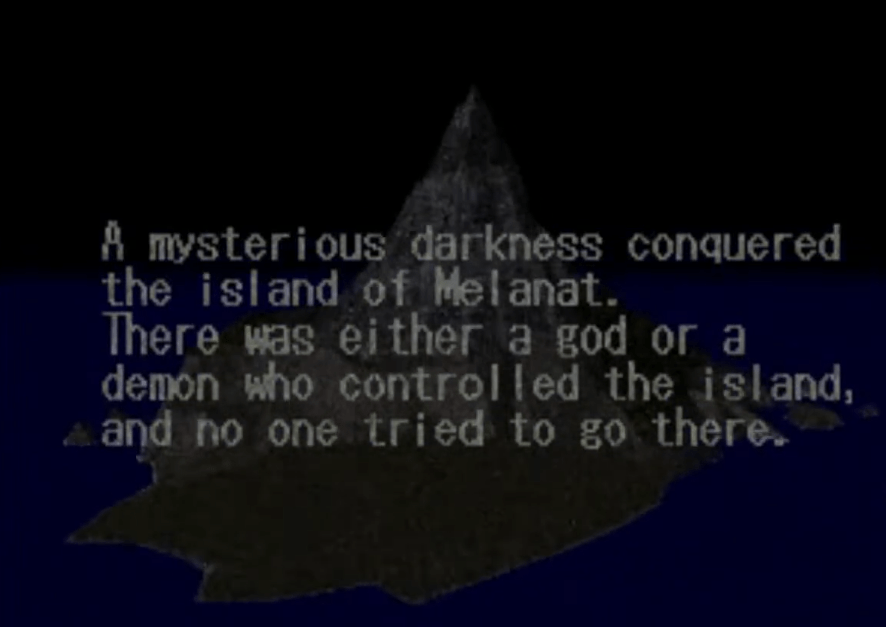
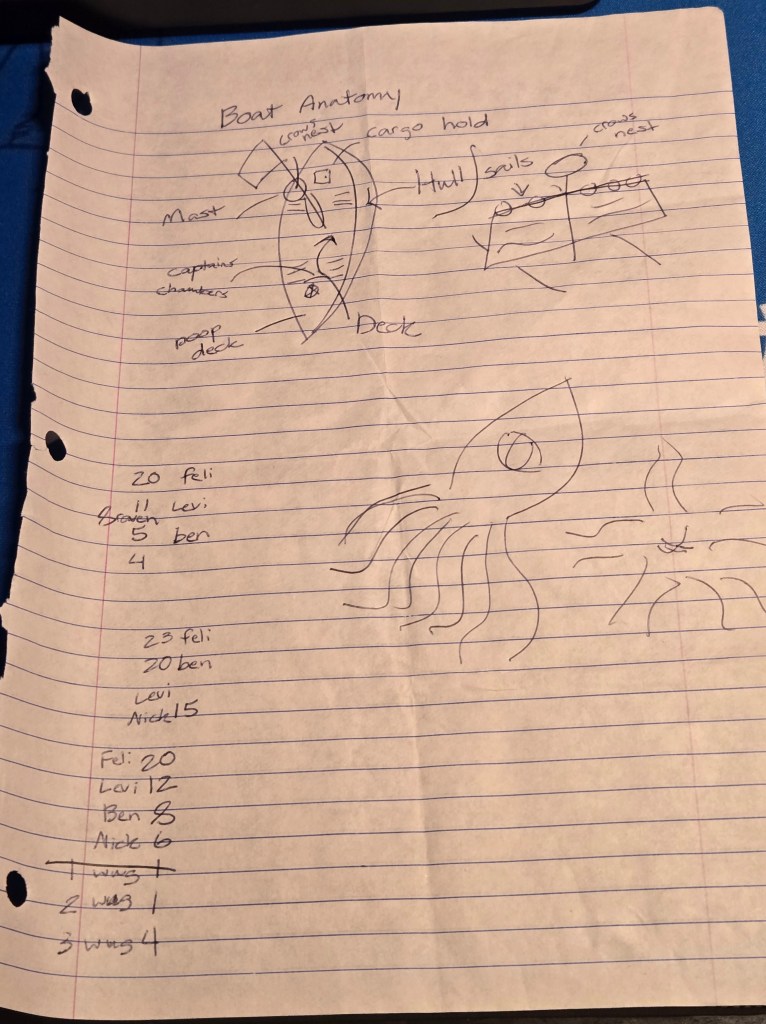
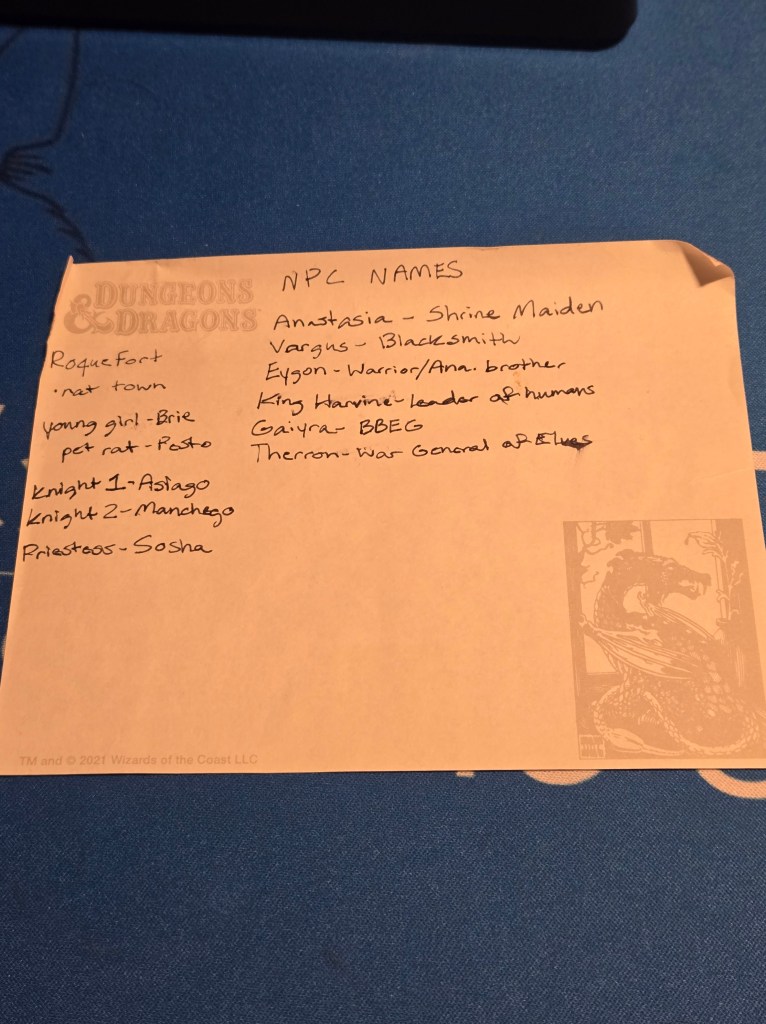
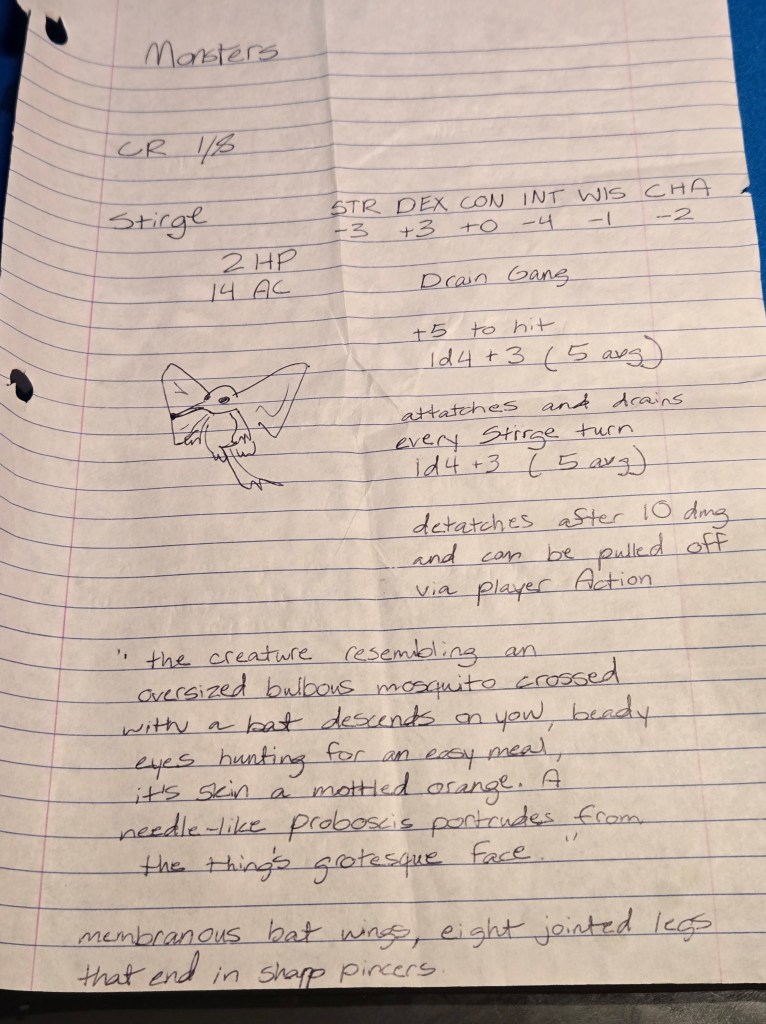
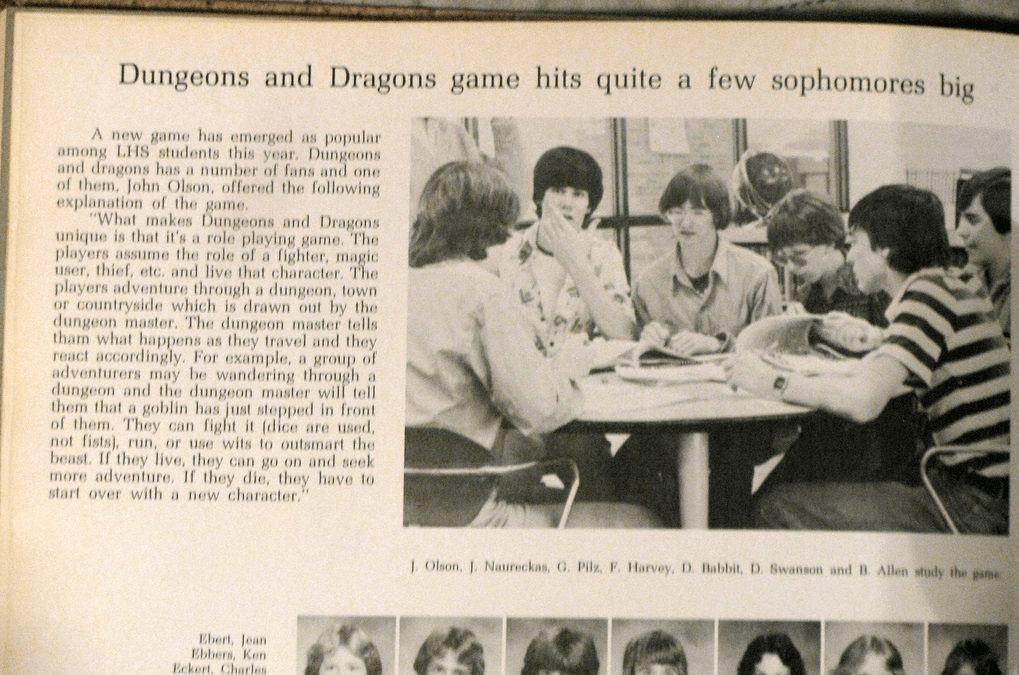
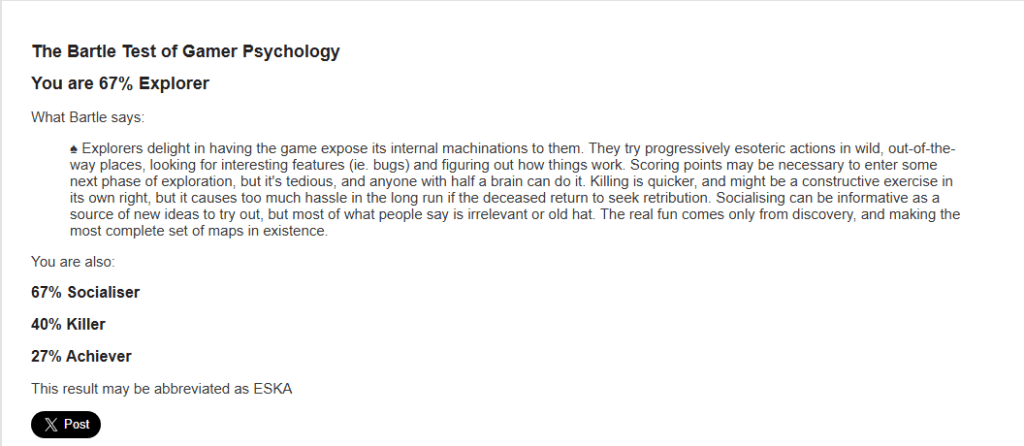
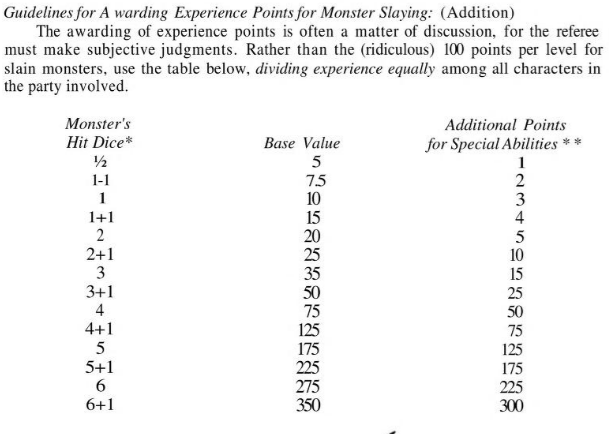


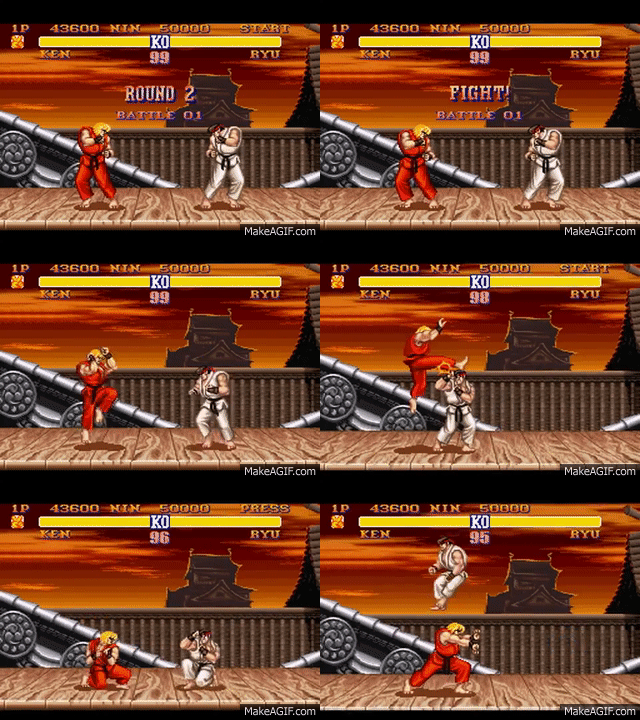

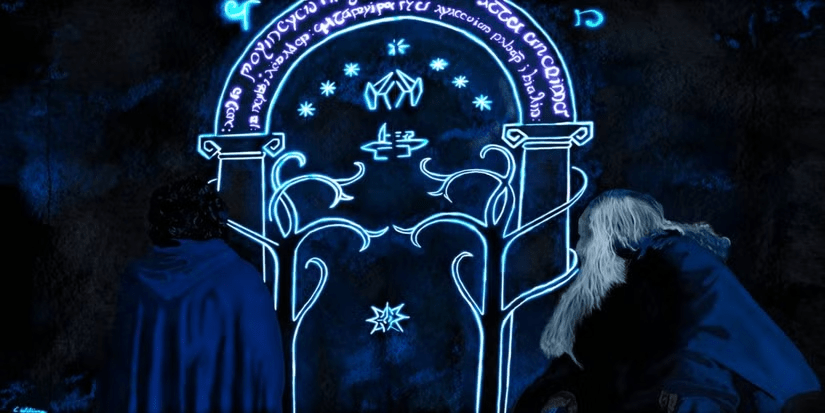
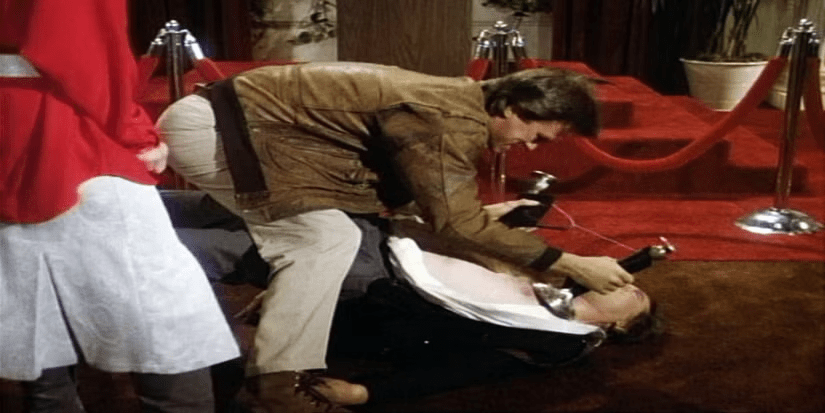
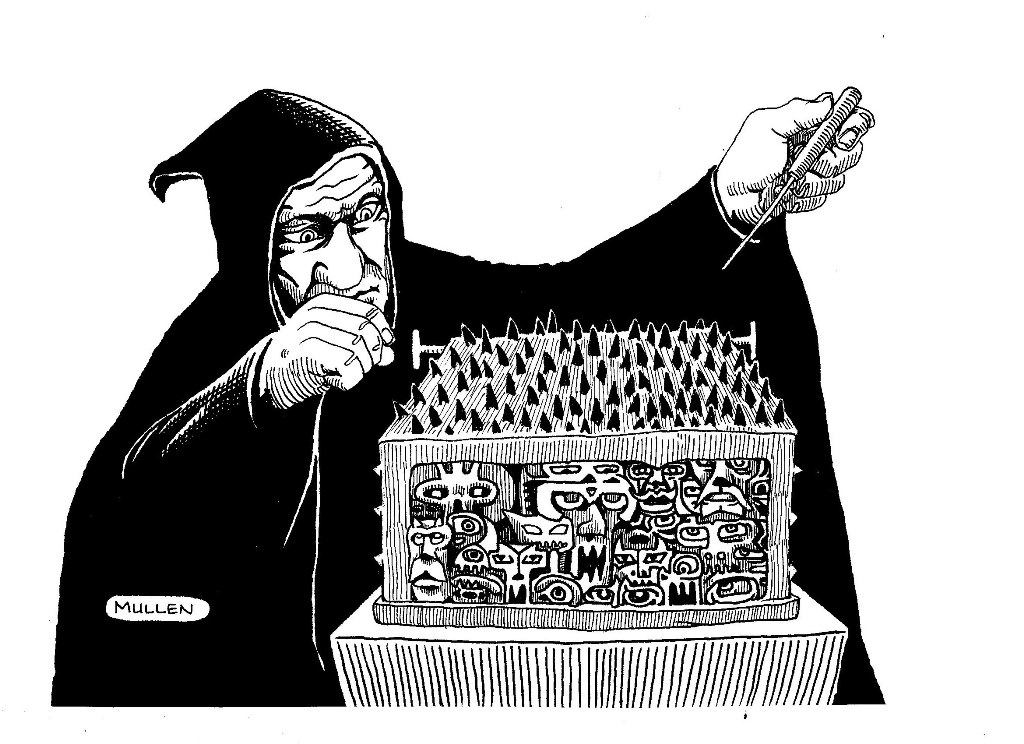
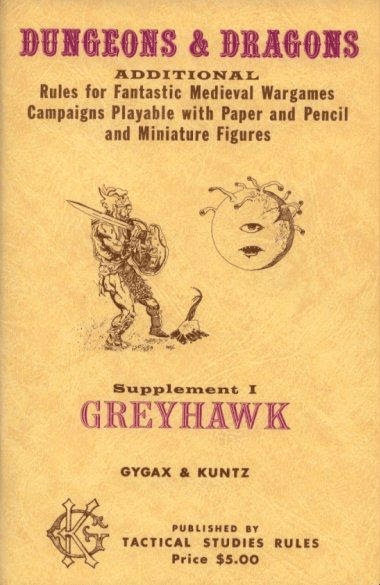

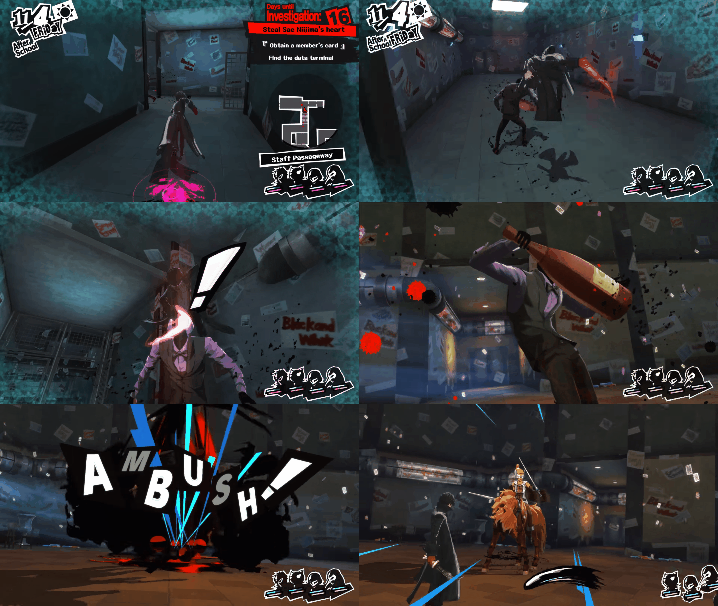
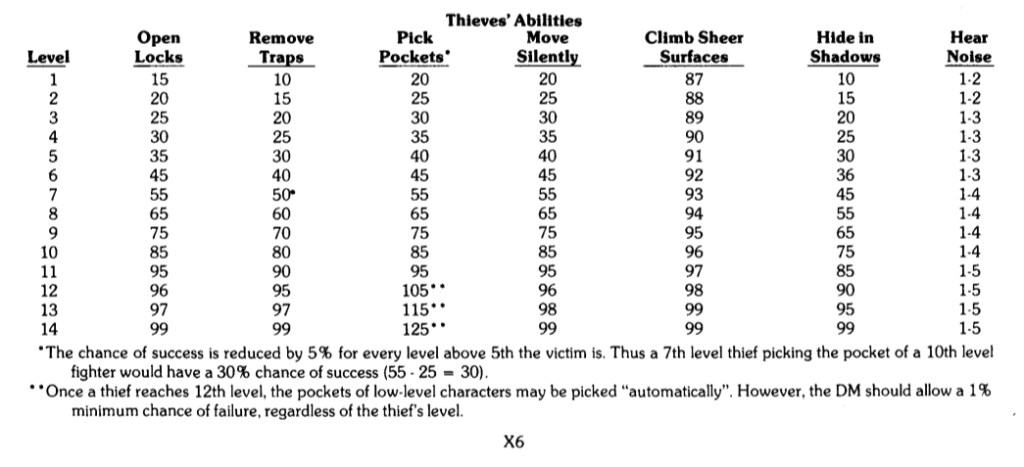
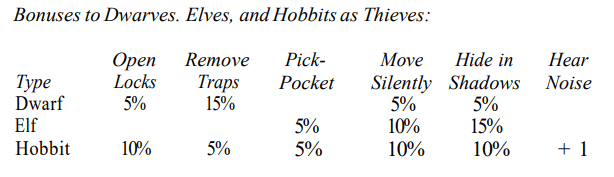
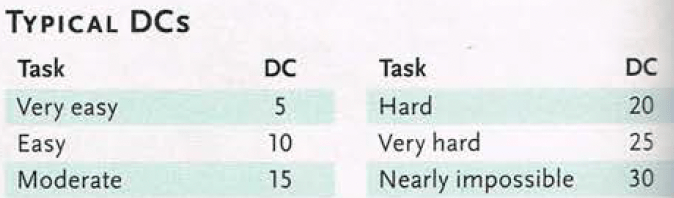
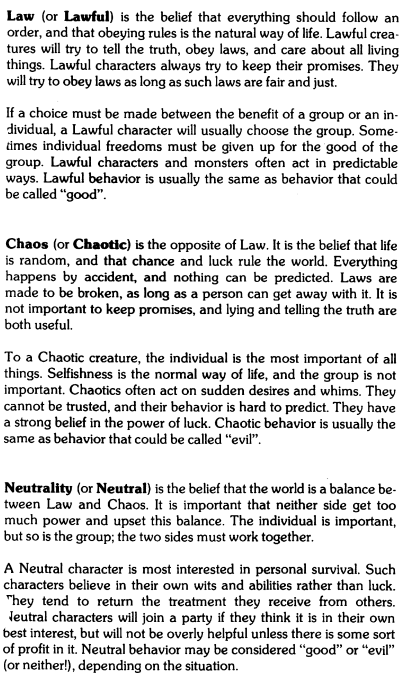
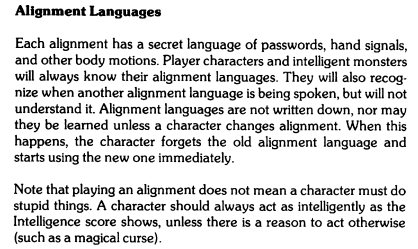
 Dyl's Thrills